
Episode 210: Navigating Pregnancy After Loss with Sarah Lingle

Pregnancy after loss is one of the most emotionally complex journeys a mother can experience.
In this episode of the Entering Motherhood podcast, Sarah Marie sits down with Sarah Lingle, a doula specializing in supporting mothers through pregnancy after loss, for a heartfelt conversation about grief, hope, and resilience. Rather than focusing only on physical health or logistics, this discussion centers on the emotional and mental preparation necessary to navigate a subsequent pregnancy with confidence and care.
From the outset, Sarah acknowledges a truth that many mothers carry quietly: anxiety and fear are normal. Questions about safety, ultrasounds, medical interventions, and the unknown can weigh heavily on a mother’s mind. Sarah Lingle reframes these emotions not as something to suppress but as signals to honor and process. By acknowledging fears, validating grief, and intentionally preparing emotionally, mothers can reclaim a sense of agency and hope in the midst of uncertainty.
Pregnancy after loss often surfaces fears in moments that feel beyond control. Scanxiety, or anxiety before ultrasounds, is a common and intense experience. Both Sarahs encourage mothers to anticipate these moments rather than avoid them. Naming specific fears, whether related to seeing the baby on a scan, coping with triggers, or navigating reminders of past loss, allows space to work through them. When fear is acknowledged and processed, it loses its ability to dominate emotional experience.
Emotional preparation, they explain, is just as important as prenatal care or hospital planning. Pregnancy after loss can trigger moments of doubt or overwhelm. By identifying coping strategies ahead of time, whether through grounding exercises, visualization, affirmations, or journaling, mothers strengthen their ability to navigate challenging moments. While this preparation does not erase uncertainty, it supports steadiness, resilience, and emotional clarity.
Partners play an essential role in this journey. Sarah highlights how a partner’s emotional state can influence the birthing environment. Partners may experience grief, guilt, or helplessness differently, and these emotions can amplify stress if unaddressed. Open communication before and during pregnancy, alongside shared coping strategies, fosters alignment and mutual support. When both parents feel seen, heard, and informed, the pregnancy experience becomes more collaborative and less isolating.
The conversation also explores the role of community. Mothers navigating pregnancy after loss benefit immensely from connecting with others who understand the experience. Sharing stories, asking questions, and receiving validation can ease feelings of isolation and build reassurance. Programs, workshops, and peer communities offer structured support, allowing mothers to feel held and understood throughout their journey.
Practical tools for emotional preparation are also discussed. Breathing exercises, visualization, and grounding techniques can help regulate stress, particularly during medical appointments or ultrasounds. Sarah emphasizes that these tools are not about controlling outcomes but about supporting emotional stability. Feeling centered and calm allows mothers to engage with their care, ask informed questions, and make empowered decisions.
Sarah shares powerful examples from her work with mothers who have experienced loss. Even in pregnancies layered with fear and anxiety, mothers can feel empowered when they are actively involved in decisions about their care. By trusting themselves, seeking support, and advocating for their needs, mothers regain a sense of control over their journey.
In an exciting development, Sarah also shares resources like her workshop and the “Birthing Hope” program, which combine emotional support, community connection, and educational tools for mothers navigating pregnancy after loss. These programs are designed to provide both practical guidance and emotional validation — a dual approach that reflects the holistic needs of this journey.
As the episode concludes, listeners are reminded that grief and hope can coexist. Mothers are encouraged to trust their intuition, honor their emotions, and seek support when needed. Pregnancy after loss is not linear, but it is navigable with compassion, preparation, and connection.
Pregnancy after loss may feel overwhelming at times, but investing in emotional awareness, building a support network, and cultivating confidence from within allows mothers to approach this journey with courage. By embracing grief alongside hope, mothers can step into their pregnancies not as passive participants, but as empowered decision-makers, ready to celebrate the life they are nurturing while honoring the lives they carry in memory.
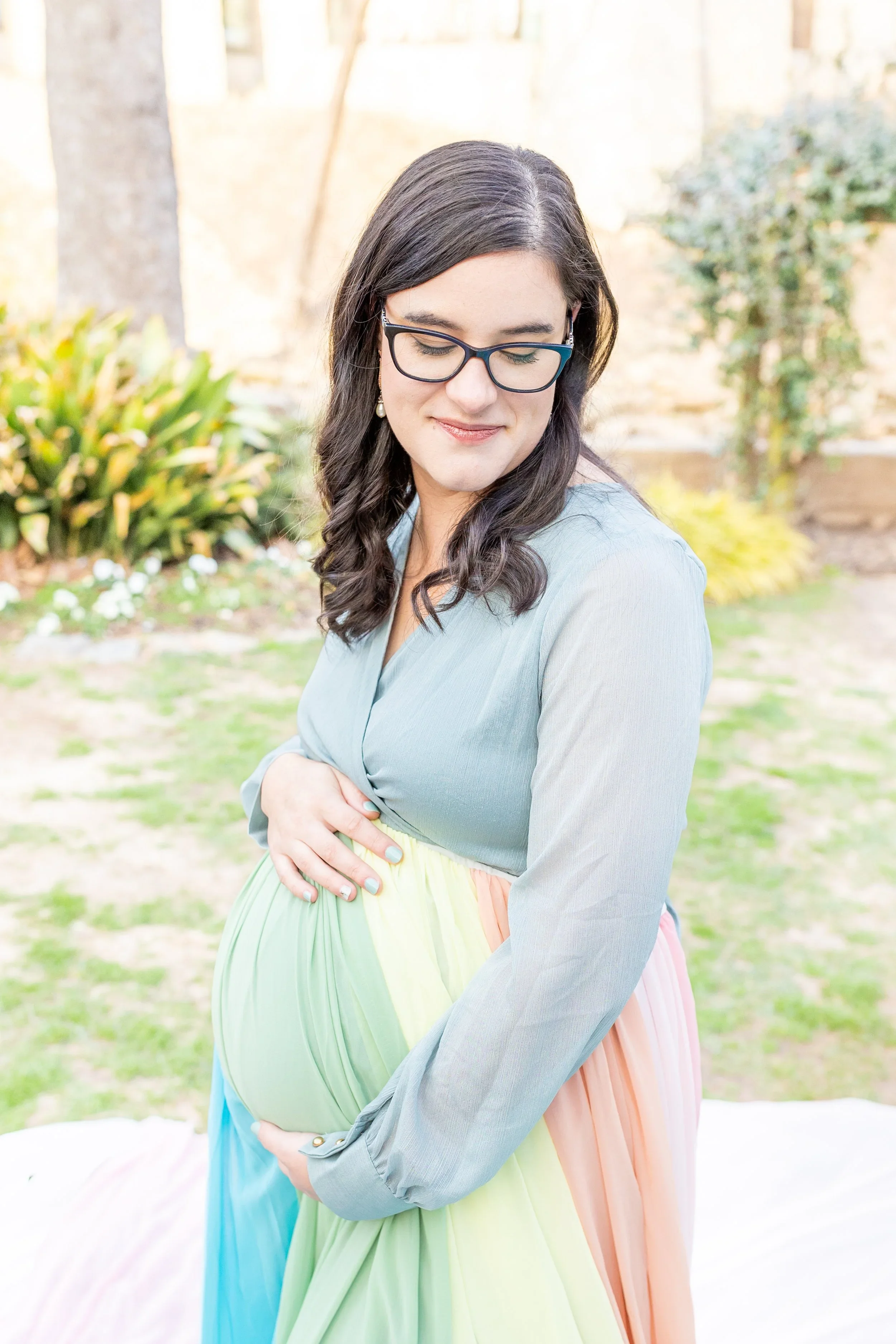
Connect with Sarah Lingle:
Website: www.pregnancyafterlossdoula.com
Instagram: paldoula
Facebook: PAL Doula
Relevant Links:
Hypnobabies is a great tool to use hypnosis when preparing for childbirth. Use the code MOTHERHOOD20 to receive 20% off today!
Truly fuel your body with FOND Bone Broth a verified regenerative by land to market company dedicated to serving you rich and handcrafted items. Use code ENTERINGMOTHERHOOD for 10% off.
Looking to become a doula yourself and get into birthwork? Check out the Online Doula Training Program to get started on your path today.
Become certified through Postpartum University and help clients learn more about how to nourish their bodies in the postpartum period.
Want a baby carrier you can snuggle your baby tight in? Check out LoveHeld for their handwoven ring sling carrier you'll be sure to love.
In need of nursing tops and postpartum items? Kindred Bravely is the place to shop for all of your attire needs and more.